
I say tomato, you say tomato…let’s NOT call the whole thing off! When is a reward not a reward? When it is not important to the person receiving it!
I am working with a client company where only about 10% of the employees are baby boomers. The average age of leadership below the owners is about 30 and they are doing a wonderful job. In fact the leader with the best team is only 27. He looks like a school boy but he displays masterful leadership skills worthy of someone way beyond his years.
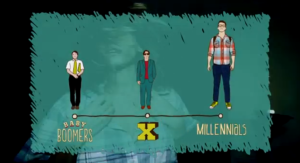
This situation is offering me a different perspective on leadership. I am experiencing firsthand how rewards and recognition differ among the generations.
For example, the owners (baby boomers) offer pizza parties as recognition for hard work. They are disappointed when the younger people do not say thank you and do not appear to appreciate the generosity. They describe the young people working in their company as “entitled”.
If you listen, you will often hear older folks calling younger folks “entitled”. Ironic isn’t it that the “me generation” is calling younger people entitled? Sort of reminds me of older folks muttering under their breath about “those darned kids” when I was a kid.
Articles written by younger people are quick to point out that the Baby Boomers are actually the most entitled generation. (See: The Most Entitled Generation Isn’t Millennials. It’s Baby Boomers.) Other articles remind us that these people are just young. (Millennials: Lazy, entitled or maybe just young). But one think I do know is that pointing fingers does not help in the workplace.
I particularly resent the term “entitled” because it stops conversation. No further investigation happens to understand or resolve the situation if we dismiss a different perspective as “entitled”. So let’s step beyond “entitled” and look at what is going on from another perspective.
The younger people at this company are frustrated that they cannot work as fast and efficiently with solid processes. They told me they do not care about pizza parties. They want the processes fixed because they really care about getting the work done correctly. The younger people need help fast or they will leave. Another pizza party or another email extolling harder work will no longer suffice. The younger people want to see action on the practical problems facing the business.
Interesting, isn’t it?
As I was trying to figure out how to resolve these potential conflicts, I had the pleasure of attending two different presentations on multi-generational relationships from a very talented trainer, Deborah Easton. She uses a theatrical approach to demonstrate the generations’ different perspectives. This is important stuff since there are now at least four different generations in the workforce, more if you consider the complexity of our millennials.
Evidently my client company is a raging example of differing priorities expressed by different generations. Millennials value speed and success. They work as teams and like options. They like do-overs and like to learn from their mistakes. They don’t view mistakes as being wrong only as not right yet. They are not motivated by the same things that motivate Baby Boomers.
Baby Boomers are motivated by attention and recognition. They like pizza parties because they represent recognition for the group achievement. It is probably natural that these business owners think their employees would also like pizza parties. But Millennials want customized recognition, not group recognition like pizza parties. They want to solve the business problems so they can accomplish more. They want structure and attention. They want social interaction to foster relationships not just a box of pizzas delivered to the lunch room.
These young people are exciting and motivated to make the business successful. We must nurture and respond to their interests so they will share their enthusiasm and the business will grow.
